

Abstract visualization of neural information pathways

Independent intelligence for surgical AI

Neurosurgery.ai

Tracking the research, companies, tools, and clinical adoption signals shaping AI in neurosurgery.

A concise briefing every two weeks. No hype, no spam. Read the latest issue →

Latest Brief

Research, tools, and adoption signals in one read.

AI that knows when to defer

Issue 3 · Aug 10, 2026 · 7 min read

Risk prediction, consent agents, clinical workflow, and the case for formal deferral in safety-critical neurosurgical AI.

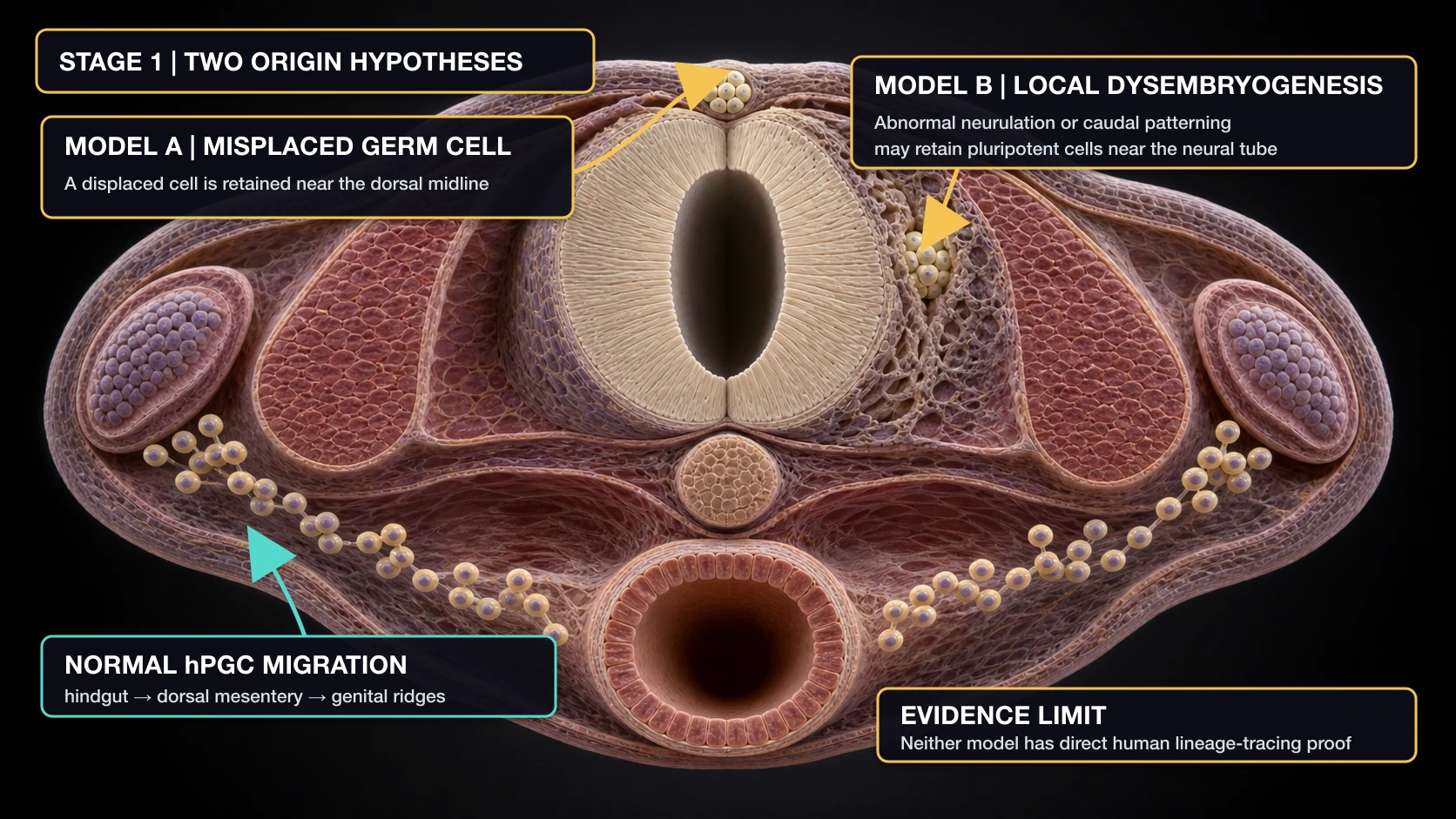
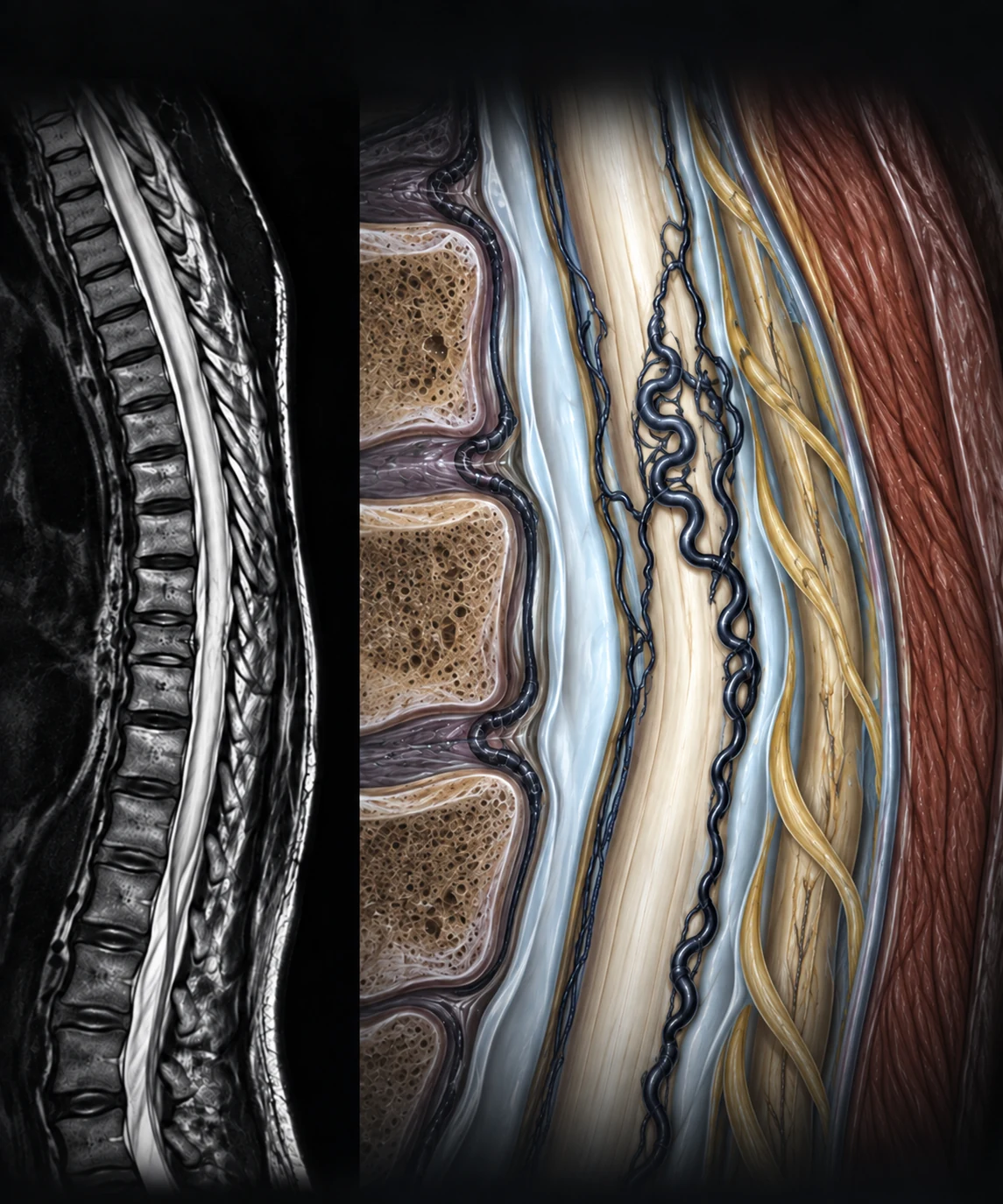
Neurosurgery Visual Atlas

Complex anatomy, explained as a clinical decision.

Clinician-reviewed, AI-assisted medical illustrations that connect mechanism, imaging, operative anatomy, monitoring, and the point at which a surgeon should pause or defer.

  1. 01
    MechanismWhat is happening?
  2. 02
    EvidenceWhat can imaging and monitoring show?
  3. 03
    Decision boundaryWhat changes management—and what does not?

Neurosurgery.ai Index

A curated tracker for AI-enabled neurosurgical tools.

Index 1.0 begins with eight 2025–2026 FDA records. Every entry links the cleared use to its public evidence and the clinical boundary that the regulatory file does not resolve.

Record Workflow Status Evidence boundary
Stealth AXiS Cranial Cranial navigation and planning FDA K253379 · 2026 Accuracy V&V; no outcome-superiority claim.
Acorn 3D Spine segmentation and trajectories FDA K252103 · 2025 Strong algorithm testing; exclusions require review.
JLK-NCCT ICH and LVO notification FDA K252421 · 2026 Triage only; negative output does not exclude disease.

Explore all 8 reviewed records →

Two-layer focus

Broad enough to track the field, narrow enough to be useful.

Field intelligence

AI research, companies, regulatory moves, and clinical adoption across neurosurgery.

Browse the Brief →

Spinal cord depth

Intramedullary tumors, Chiari, syringomyelia, IONM, and under-covered spinal cord AI.

Explore the focus →

Professional boundary

No diagnosis, no patient advice, no image interpretation, and no clinical decision support.

Read the policy →